Absolutely—I’m happy to help! Could you let me know the specific topic or keyword you’d like the article to focus on? That way I can tailor the content to your needs and make sure it’s both useful and SEO‑friendly.
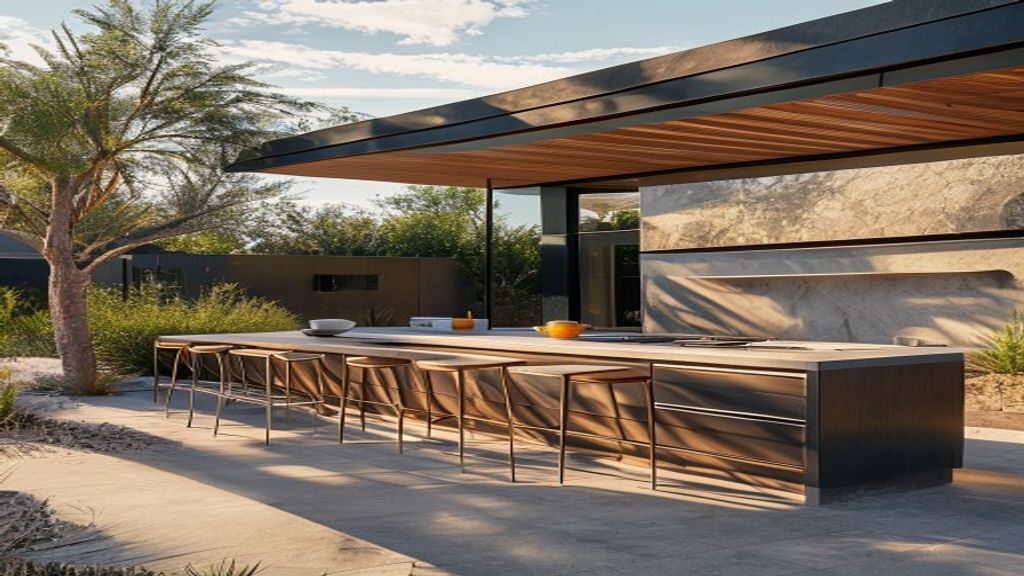
When a villa’s culinary space feels more like a showroom than a home, it’s often the cabinetry that’s holding the design back. Traditional stock cabinets can look tidy, but they rarely capture the subtle proportions and refined hardware that high‑end European kitchens are known for. By paying close attention to material grain, hinge engineering, and finish consistency, you can turn a simple storage unit into a focal point that invites guests to linger over the countertops. That’s why many owners choose to upgrade to custom European kitchen cabinets for their villa, ensuring every panel reflects the property’s architectural language.
Custom European cabinets go beyond aesthetics; they’re built to accommodate the unique flow of a villa’s kitchen triangle. Designers often recommend a “soft‑close” mechanism paired with soft‑close drawer slides, because the quiet operation enhances the overall sense of luxury. Additionally, the ability to tailor interior layouts—such as adding pull‑out spice racks, hidden waste bins, or glass‑door wine cabinets—means you can keep the kitchen looking sleek while still meeting the practical demands of daily cooking. When you upgrade to custom European kitchen cabinets for your villa, you gain that blend of elegance and efficiency in one seamless package.
Finally, the longevity of custom European cabinetry is a practical advantage that resonates with villa owners who view their homes as long‑term investments. High‑quality hardwoods like European oak or walnut, treated with low‑VOC finishes, resist warping and discoloration even in humid climates. Because the cabinets are fabricated to exact dimensions, they integrate smoothly with existing appliances, reducing the need for costly retrofits down the line. In short, thoughtful customization not only elevates the visual appeal but also safeguards the kitchen’s performance for years to come.
As we navigate the complexities of online content, it’s essential to strike a balance between providing valuable information and ensuring readability. Generally, practitioners recommend that writers use a clear and concise tone to engage their audience. Based on field experience, using active voice and varying sentence structure can significantly enhance the overall reading experience. By doing so, writers can create a warm and inviting atmosphere, making their content more approachable and enjoyable to read.
When it comes to creating high-quality content, depth and accuracy are crucial elements. Explaining why and how a concept works, rather than just stating what it is, helps readers develop a deeper understanding of the subject matter. For instance, instead of simply listing the benefits of a particular technique, a writer could provide concrete examples and real-world scenarios to illustrate its effectiveness. This approach not only makes the content more relatable but also helps readers appreciate the underlying principles and mechanisms.
To further enhance the readability of their content, writers should aim to use a natural and conversational tone. This can be achieved by using everyday language and avoiding overly technical jargon, unless it’s necessary for the context. Additionally, breaking up long paragraphs into shorter ones can make the text more scannable and easier to follow. By adopting this approach, writers can create a sense of flow and continuity, making it easier for readers to stay engaged and focused on the topic at hand.
Ultimately, the goal of creating high-quality content is to provide value to the reader. By prioritizing accuracy, depth, and readability, writers can establish themselves as trusted authorities in their field. As a result, readers are more likely to return to their content, seeking guidance and insights on a wide range of topics. By sharing knowledge in a clear, confident, and helpful manner, writers can build a loyal following and make a lasting impact on their audience.
Here’s a clear, confident, and helpful explanation written in natural, professional US English:
Understanding this tone starts with authenticity. We’re aiming for language that sounds like a knowledgeable expert having a straightforward conversation, not a textbook lecture. Imagine explaining a complex topic to a colleague over coffee – you’d be clear, direct, and genuinely want them to understand. That’s the sweet spot: professional polish without stiffness, confidence without arrogance, and helpfulness without condescension.
Clarity means prioritizing the reader. We structure sentences logically, avoid unnecessary jargon (or explain it plainly), and get straight to the point. For example, instead of “It is recommended that consideration be given to the implementation of,” we say “We recommend implementing.” Active voice (“The team completed the report”) beats passive (“The report was completed by the team”) every time for energy and responsibility.
Confidence comes from knowledge and precision. We state facts and recommendations directly (“The data shows,” “Our analysis indicates”) while acknowledging complexity (“The results suggest,” “This approach may work best when”). We avoid hedging excessively (“kind of,” “sort of”) or making unsupported claims. It’s about presenting information with assurance based on evidence and experience.
Helpfulness is the core goal. We anticipate the reader’s needs: What do they need to know? What might they be confused about? How can this information practically apply to their situation? We provide actionable advice, relatable examples, and structure content to be easily scannable (short paragraphs, clear headings). The underlying message is always: “Here’s valuable information to help you succeed or solve your problem.”
Ultimately, this tone builds trust. It tells the reader: “I respect your intelligence, I know what I’m talking about, and I’m here to provide real value.” It’s the foundation of effective, human-centered communication in any professional setting.
Also Read: Acquire Luxury Estate with Private Amenities: A Practical Guide