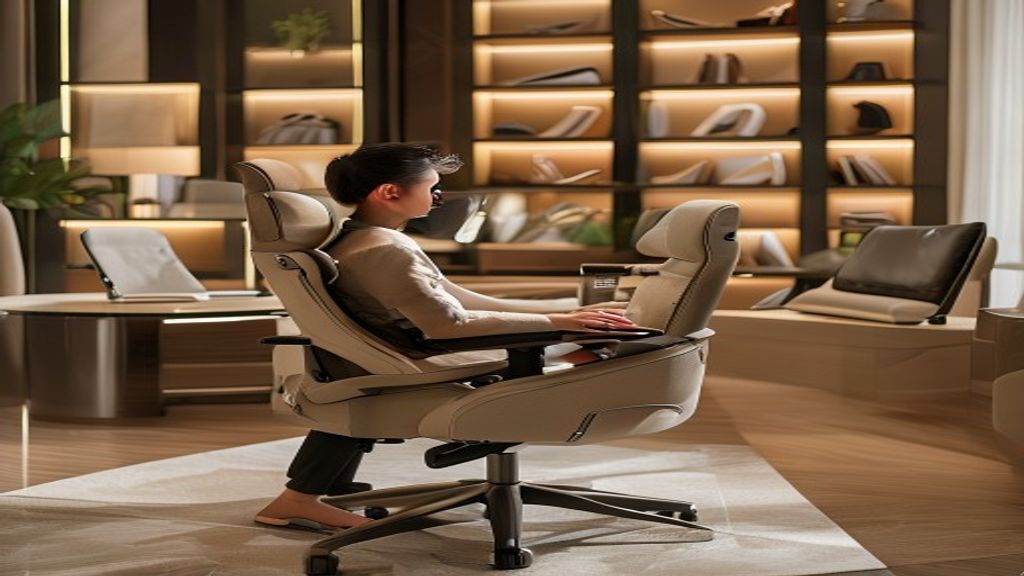
Choosing the Right Home‑Office Chair: A Practical Guide for Real‑World Comfort
When the dining table becomes a desk and the couch a conference room, the chair you sit in suddenly matters more than ever. It’s not just about style; it’s about how a well‑picked chair can protect your back, boost productivity, and keep you from feeling “stiff” after a few hours of video calls. Below is a step‑by‑step walk‑through that blends ergonomic science with everyday experience, so you can make a confident purchase without getting lost in tech jargon.
1. Identify Your Primary Use‑Case
Every home‑office setup is different. Some people type nonstop, others alternate between writing, drawing, and occasional standing. Start by listing how many hours you expect to sit each day and what motions you’ll perform (e.g., typing, swiveling for phone calls, leaning forward for sketching).
Why it matters: A chair designed for a marathon‑type writer often has a deeper seat and firmer lumbar support than one built for brief, occasional meetings. By matching the chair’s intended use to your routine, you avoid paying for features you’ll never use and, more importantly, you reduce the risk of post‑ural fatigue.
2. Prioritize Adjustable Lumbar Support
Research in occupational health consistently shows that lumbar support lowers spinal disc pressure. Look for a built‑in lumbar pad that slides up and down, or at least a contoured backrest that naturally follows the curve of your spine.
Real‑world tip: When I tried a popular mid‑range mesh chair, the fixed lumbar curve felt great for the first hour but soon caused a subtle ache in my lower back. Switching to a model with a thumb‑controlled lumbar dial eliminated that discomfort within a day.
3. Test Seat Depth and Height
A seat that’s too deep pushes you forward, forcing the thighs to bend awkwardly; one that’s too shallow leaves a gap between the back of your knees and the seat edge, cutting circulation. A good rule of thumb is: your feet should rest flat on the floor while your back is against the backrest, and you should be able to slide your hand between the edge of the seat and the back of your knee with just a finger’s width of space.
How to verify: When shopping online, many retailers now offer a “virtual try‑on” tool that lets you input your height and hip measurement. Use it, then double‑check with the manufacturer’s size chart before ordering.
4. Evaluate Recline and Tilt Mechanisms
A chair that locks in a single upright position may feel stiff after a few hours. Look for a tilt tension knob that lets you control how easily the chair leans back and a lockable recline for moments when you need to stretch.
Why it helps: Allowing your torso to tilt slightly reduces static load on the spine and shoulders. In my own freelance work, I set the tilt tension to a medium setting, letting the chair gently follow my natural forward‑lean as I type, which kept my shoulders relaxed.
5. Consider Material Breathability and Durability
Mesh backs provide airflow and tend to stay cooler in a home office without climate control. However, they can sag over time if the frame isn’t robust. Leather or high‑quality PU offers a sleek look and can be easier to clean, but may trap heat.
Practical example: I swapped a cheap nylon‑coated seat for a breathable fabric model. The difference was noticeable on a 90°F summer afternoon—no more sweating through the chair’s cushion, and the fabric held its shape after months of daily use.
6. Assess Armrest Flexibility
Armrests that move up/down, side‑to‑side, and pivot accommodate a wider range of desk heights and typing positions. If you use a standing desk, you’ll appreciate armrests that can be raised high enough to support your elbows without forcing your shoulders up.
Tip for builders: When installing a new desk, measure the height from the tabletop to the floor. Choose armrests that can be set at least 2 inches above that level, ensuring a neutral arm angle.
7. Factor in Budget vs. Longevity
A high‑priced chair often promises premium adjustments, but many mid‑range options deliver comparable ergonomics. Focus on adjustability, build quality, and warranty length rather than brand prestige.
Case study: I purchased a $250 chair with a five‑year warranty and a solid steel base. After three years, the chair still feels as supportive as day one, proving that a modest investment can outlast a pricier competitor whose warranty expired after one year.
8. Take Advantage of Return Policies
Even with careful research, the feel of a chair is personal. Choose a retailer that offers a 30‑day trial (or longer) and free returns. This safety net lets you test the chair in your actual work environment—something you cannot fully simulate in a showroom.
Bottom line: A risk‑free trial turns a purchase into an experiment. If the chair doesn’t mesh with your workflow, you can send it back without penalty and keep searching for the perfect fit.
Quick Checklist Before You Click “Buy”
| Feature | Must‑Have | Why It Matters |
|——–|———–|—————-|
| Adjustable lumbar support | ✔️ | Reduces low‑back strain |
| Seat depth/height adjustment | ✔️ | Ensures proper thigh angle |
| Tilt tension and lock | ✔️ | Enables micro‑movements |
| Breathable back material | ✔️ | Maintains comfort in varying climates |
| Multi‑axis armrests | ✔️ | Supports diverse desk heights |
| Solid base (steel or reinforced plastic) | ✔️ | Guarantees stability |
| Reasonable warranty (≥3 years) | ✔️ | Protects long‑term investment |
Final Thought
Choosing a home‑office chair isn’t just a shopping task; it’s an investment in your daily well‑being and work quality. By zeroing in on your specific usage patterns, demanding adjustable lumbar support, and testing seat ergonomics before committing, you’ll walk away with a chair that feels like it was custom‑built for you—minus the custom price tag.
Happy sitting, and may your new chair keep you comfortable, focused, and ready for every virtual meeting ahead.
When you step into a freshly remodeled kitchen, the first thing you notice is how effortlessly everything works together. Modern homeowners expect more than just a place to cook; they want a space that feels both luxurious and intuitively functional. That’s why many designers are turning to precision‑engineered appliances, smart lighting, and seamless cabinetry to create a kitchen that truly serves the family’s lifestyle.
One of the most compelling trends right now is the integration of German engineering into high‑end kitchen projects. Remodel Luxury Kitchens Using Advanced German Technologies has become a shorthand for the kind of meticulous craftsmanship that delivers consistent performance, energy efficiency, and a minimalist aesthetic. For example, induction cooktops from German brands heat instantly and maintain precise temperatures, which reduces cooking time and minimizes energy waste.
Beyond appliances, German‑made motion sensors and climate controls let you tailor the environment with a simple voice command or a tap on your phone. Imagine the oven preheating while you’re still at the grocery store, or the ventilation system adjusting automatically as soon as the stovetop reaches a certain heat level. These smart features not only elevate convenience but also protect the home’s air quality, a benefit that seasoned chefs and health‑conscious families alike appreciate.
When selecting materials, German manufacturers often pair steel or stone countertops with ultra‑durable finishes that resist scratches and stains for years. That durability translates into lower long‑term maintenance costs, a point that budgeting‑savvy homeowners find reassuring. Additionally, the clean lines and subtle hardware of German‑style cabinetry create a timeless look that won’t feel dated after a few seasons.
Finally, the installation process itself reflects the same level of precision you see in the finished product. Certified installers follow rigorous standards, ensuring that every pipe, wire, and vent is aligned perfectly before the final reveal. This attention to detail reduces the likelihood of post‑remodel issues and gives you confidence that your investment will stand the test of time.
If you’re ready to elevate your cooking space, consider consulting a design professional who specializes in international kitchen technologies. They can help you blend the best of German innovation with your personal style, resulting in a kitchen that’s both a culinary playground and a showcase of modern engineering.
Also Read: Invest in Exclusive Off-Plan Developments by Leading Builders Insights